
India’s renewable energy journey is entering a defining phase. While solar capacity expansion has positioned the country among global leaders, the next chapter is deeper and more strategic — building a robust domestic solar manufacturing ecosystem supported by resilient supply chains.
This shift is not optional. It is essential.
For India to sustain its clean energy ambitions, manufacturing must move closer to home — strengthening supply chain security, reducing import dependence, optimizing procurement cycles, and creating long-term industrial resilience.
GopiGreen
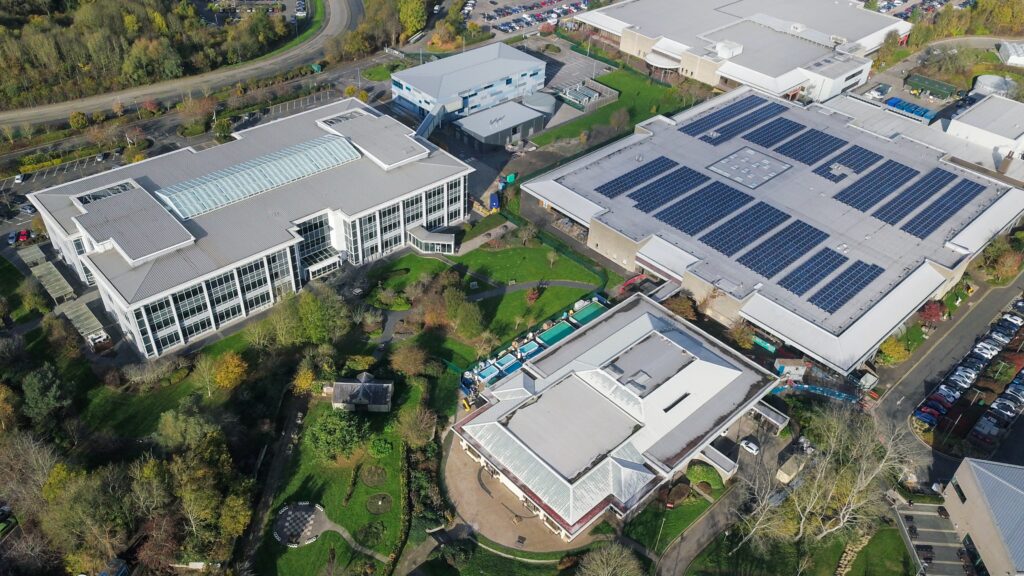
Recent policy initiatives clearly reflect the government’s intent to strengthen India’s solar manufacturing landscape. By encouraging local production, supporting renewable infrastructure clusters, and providing long-term policy visibility, these measures are laying the groundwork for a sustainable industrial ecosystem.
The emphasis is no longer limited to installation capacity — it is focused on creating long-term manufacturing confidence and supply chain stability. This clarity enables companies to invest with greater certainty and align procurement strategies with domestic growth.
Solar energy is more than power generation; it is an integrated ecosystem of raw materials, components, technology, skilled labour, and innovation. Heavy dependence on imported solar cells, glass, aluminium frames, and electrical components exposes the sector to global disruptions, price volatility, and transit delays.
A strong domestic solar manufacturing base enables:
Most importantly, it transforms solar energy from an import-driven model into a strategically managed, home-grown capability.
True manufacturing strength cannot exist in isolation. It requires:
When these elements converge with efficient supply chain management, domestic manufacturing becomes scalable, globally competitive, and sustainable.
Policy sets direction — execution depends on industry leadership.
Across the solar value chain, companies are:
At GopiGreen, we view domestic manufacturing as both an opportunity and a responsibility. Our role extends beyond sourcing — we act as a supply chain enabler that helps manufacturers operate more efficiently.
By managing procurement cycles, coordinating supplier relationships, and optimizing logistics planning, we help:
This integrated approach supports manufacturers in focusing on production and innovation, while we manage supply chain complexity.
India’s solar future will be defined not only by the amount of energy generated, but by how resilient and self-reliant the underlying ecosystem becomes.
A strong domestic solar manufacturing ecosystem — supported by structured procurement, reliable logistics, and strategic partnerships — will ensure that India’s clean energy growth remains predictable and globally competitive.
At GopiGreen, we are committed to contributing to this transformation. By aligning domestic manufacturing with intelligent supply chain management, we aim to build responsibly, grow sustainably, and support a solar ecosystem that is truly Made in India.